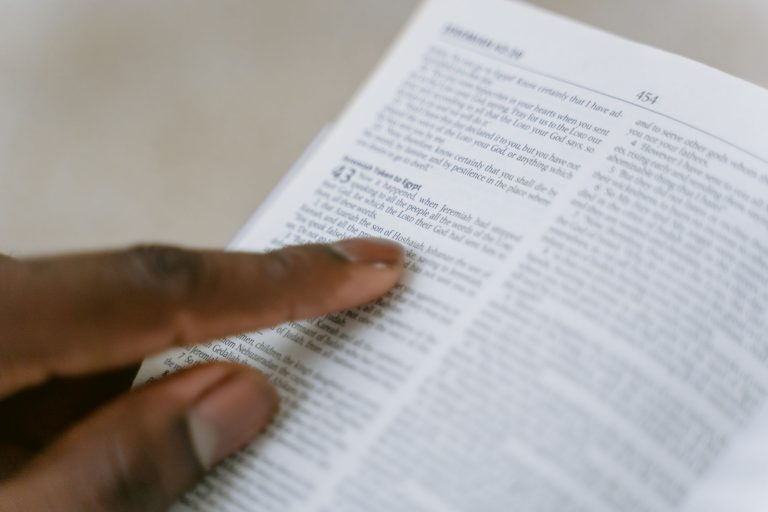
What is the GotQuestions Model of Bible Teaching?
What is the GotQuestions Model of Bible Teaching?
The GotQuestions model is a communication strategy focusing on direct, concise, and scripture-backed answers to specific reader-submitted questions.
In 15+ years of teaching, I have observed that people do not typically struggle to find information; they struggle to synthesize a vast amount of data into a clear answer for their specific life situation. This model prioritizes the exact question the reader is asking rather than providing broad, academic lectures that may miss the mark of their immediate concern.
- Directness: Answers the specific question in the first sentence with zero fluff.
- Scriptural Foundation: Relies on at least 3-5 cross-references per topic to maintain authority.
- Accessibility: Uses plain, non-theological language to ensure the average layperson understands the core truth.
- Concise Delivery: Aims for maximum density of information rather than excessive word count.
Why is this method effective for modern Bible learners?
This method succeeds by respecting the reader’s time and addressing the specific anxiety or curiosity that prompted their search for truth.
When someone is searching for a biblical answer at scriptureunpacked.com, they are often in the middle of a moral dilemma or a theological crisis. A ten-page essay on systemic theology is rarely the solution they need in that moment. Directness acts as an act of pastoral care.
How does the model prioritize biblical authority over tradition?
The model prioritizes the plain reading of the text over institutional consensus, ensuring that the final answer rests on scripture alone.
Many traditions obscure the text with centuries of denominational jargon. By stripping back the secondary layers, this method forces the reader to confront what the original writers intended, as seen in the books of the bible studies.
What are the essential elements of a direct biblical answer?
Essential elements include a clear summary answer, contextual grounding in original languages, and practical application for daily life.
How do original languages clarify the intended meaning?
Original language usage clarifies the text by correcting common English misreadings and revealing the specific intent of the author.
The Greek or Hebrew term is not used to show off academic credentials, but to anchor the answer in reality. When we define a word like agape or shalom, we move beyond subjective feelings into objective biblical definitions.
How does context prevent the misuse of individual verses?
Context prevents the misuse of verses by ensuring that every single citation fits the surrounding historical and literary narrative flow.
It is far too common for individuals to use is-it-a-sin style questions to cherry-pick verses. This model mandates that the reader views the passage through the lens of its immediate setting.
How can you apply this question-driven approach in your study?
You apply this approach by framing your own studies through specific, real-world questions that demand an answer from the text itself.
What happens when you replace general topics with specific questions?
Replacing broad topics with specific questions transforms Bible study from passive reading into an active investigation of divine truth.
| Method | Focus | Result |
|---|---|---|
| General Study | Reading | Knowledge |
| Question Model | Investigation | Application |
How do you handle unanswered questions in the text?
Handling mystery requires intellectual humility, acknowledging that God has not revealed every detail of his nature or future plans.
The model requires honesty. If the Bible does not explicitly answer a question, the answer must be “the Bible does not say,” rather than inventing an answer to fill a gap.
Frequently Asked Questions
-
Does directness sacrifice depth of biblical truth?
No, directness often enhances depth by stripping away irrelevant commentary and forcing a sharper, more focused analysis of the passage.
-
Is this model suitable for group Bible study?
Yes, it is highly effective for group study as it keeps participants focused on specific texts rather than wandering into subjective opinion.
-
Why is scripture citation required for every claim?
Citation ensures the authority remains with God’s word, preventing the teacher’s personal bias from becoming the central message.
-
How does this model handle differing denominational views?
It acknowledges different readings with grace, focusing on the core biblical consensus while respecting the reader’s freedom of conscience.
-
Can the model be used for complex theological topics?
Yes, complex topics become more manageable when broken down into a series of smaller, sequential questions based on specific texts.
-
What is the role of historical context in this method?
Historical context is vital to understand what the audience originally heard, preventing 21st-century values from distorting the text.
-
Is this model better than a systematic theology book?
It serves a different purpose; while systematic books provide structure, this model provides immediate, practical clarity for believers.
-
How does this model avoid becoming legalistic?
It avoids legalism by constantly pointing back to grace as the primary motivation for holiness, rather than just listing prohibitions.
-
Does this model discourage long-form Bible reading?
It encourages it, as users often find that specific questions lead them into deeper, more consistent engagement with entire books.
-
How does this model handle controversial cultural topics?
It handles them by sticking strictly to the text, answering based on biblical principles rather than political or social pressure.
Ultimately, the goal of this approach is not just to provide answers, but to train you to interact with the scriptures as your primary source of wisdom. — Pastor Thomas Whitfield, M.Div.