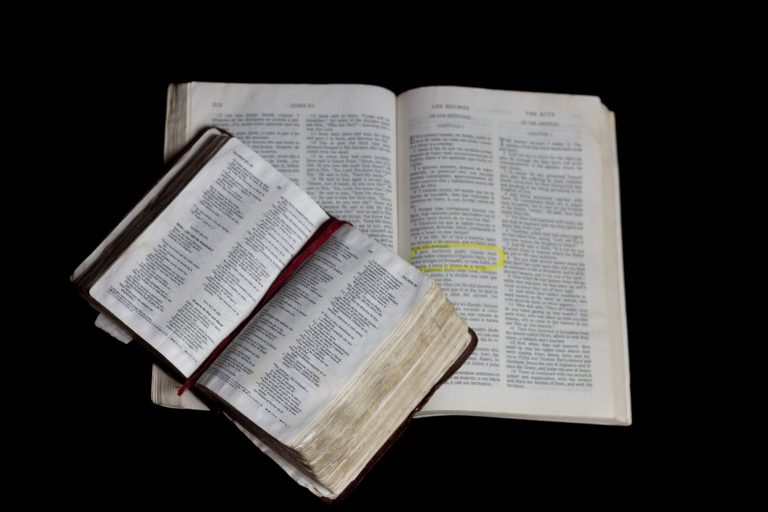
What Is Christian Theology and Why Does It Matter?
What Is Christian Theology in Simple Terms?
Christian theology is the structured study of God and His nature, relying on Scripture to understand how He relates to the world and to humanity.
In fifteen years of teaching, I have observed that many believers view theology as an abstract, academic pursuit meant only for seminary classrooms. In reality, theology is simply thinking about God, and everyone who reads the Bible is a theologian to some degree. It is the practice of organizing biblical truths into a coherent system that guides our faith and conduct.
Whether you are asking questions about the character of Jesus or the purpose of the Church, you are engaging in theological reflection. At its heart, it is an act of worship because it involves seeking to know the Creator more deeply through His own revealed word.
Why should every believer study theology?
Studying theology protects the church from false teaching and provides a solid foundation for personal growth and godly decision-making processes.
A firm grasp of theology acts as a filter for the many messages we encounter in a world of competing worldviews. Without a theological framework, it becomes difficult to distinguish between the historic Gospel and cultural distortions. Paul warned the Ephesians to be “no longer infants, tossed back and forth by the waves” (Ephesians 4:14), and theology is the anchor that provides that stability.
- Corrects misconceptions about God’s character
- Provides assurance during times of spiritual doubt
- Equips believers to share their faith accurately
- Deepens the emotional capacity for authentic worship
What are the primary branches of theology?
The major branches include systematic theology, biblical theology, historical theology, and practical theology, each serving distinct functions.
These categories help us organize our study so we do not become overwhelmed by the depth of Scripture. Systematic theology organizes doctrines by topic, such as the study of Christology (Christ) or Pneumatology (the Holy Spirit). Biblical theology traces the development of these themes across the timeline of redemptive history.
Historical theology looks at how the church has interpreted these truths over two millennia, while practical theology applies these doctrines to daily living. Together, they form a complete look at the books of the Bible and their application.
How Does Theology Change Our Daily Life?
Theology transforms life by aligning our perspective with the mind of God, ensuring that our actions flow from a correct understanding of Him.
How does theology impact our prayer life?
Theology teaches us that God is both transcendent and immanent, allowing us to approach Him with reverence while maintaining deep intimacy daily.
When we understand the holiness of God, our prayers gain a sense of gravity and awe. When we grasp His grace, our prayers overflow with gratitude and honesty. It moves us past the “wish-list” style of prayer toward a posture of alignment with His sovereign will.
How does theology inform our ethics?
Theological ethics move us beyond legalism by anchoring our moral choices in the character of God rather than merely following a list of rules.
Many people find themselves asking, “Is it a sin to do this?” when faced with a moral grey area. True theology teaches us to ask, “Does this action reflect the holiness and love of God?” This approach transforms our decision-making into an act of holiness rather than a frantic search for loopholes.
Can theology help during times of suffering?
Understanding the doctrine of providence provides a source of peace, reminding us that God is working all things for our good and His glory.
When we face deep tragedy, generic platitudes often fail. However, a biblical understanding of God’s sovereignty and His presence in the suffering of Christ offers genuine comfort. It allows us to process grief with a hope that is anchored in reality rather than wishful thinking.
What Are the Most Common Theological Questions?
People most frequently ask about the nature of salvation, the reality of suffering, the end times, and the application of grace in the church.
Frequently Asked Questions About Theology
- What is the difference between justification and sanctification?
- How can God be loving and allow so much evil?
- What does it mean for Jesus to be fully God and fully man?
- Is it possible to lose one’s salvation?
- How does the Old Testament relate to the New Testament?
- Does God still speak through prophecy today?
- What is the significance of the Trinity in the Bible?
- How does the doctrine of election impact free will?
- What is the ultimate purpose of the Church?
- How do we reconcile biblical teaching with modern science?
Theology is not a stagnant collection of dry facts; it is the living, breathing study of our Creator. I encourage you to approach your study with humility and a hunger for God’s presence. There is no higher calling than to know Him. — Pastor Thomas Whitfield, M.Div. Last Updated: 2026-07-07