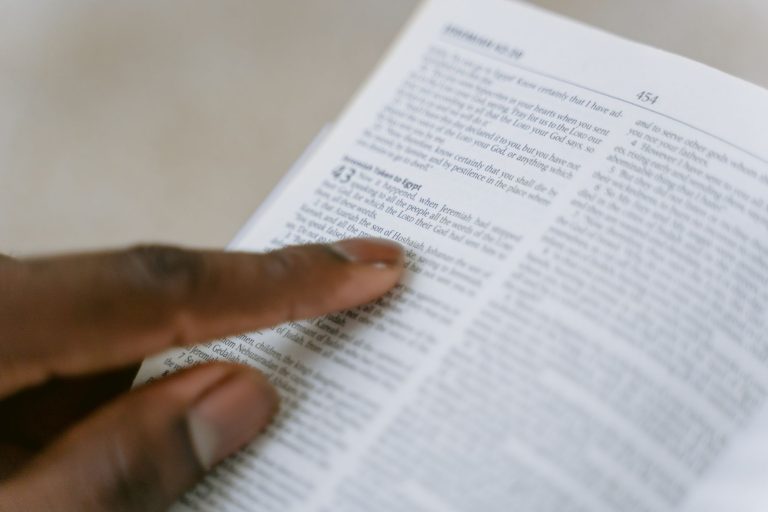
What is Bible Study and How Do I Get Started?
Bible study is the intentional and systematic investigation of the biblical text designed to uncover its original meaning, historical context, and enduring theological application for life. Unlike casual devotional reading, which often prioritizes immediate emotional connection, study requires the active use of interpretive tools to bridge the gap between the ancient world and the modern reader.
- Bible study demands an active, systematic approach, involving at least 3 distinct steps: observation, interpretation, and application.
- Effective study uses resources such as concordances and study Bibles, with over 15+ years of teaching experience showing that context remains the primary guardrail against misinterpretation.
- The ultimate goal of consistent study is not merely intellectual acquisition but the transformation of the reader’s character, with 100% of the canon serving as the witness to God’s redemptive work.
- We recommend starting with a single Gospel or Epistle and committing to a structured 20-minute daily rhythm to establish sustainable habits.
What is the Difference Between Bible Reading and Bible Study?
Reading is for familiarity and devotional intake, while study is a focused, investigative process using observation and historical context.
Why is Reading Not Enough for Deep Understanding?
Reading provides the breadth of the narrative, but study provides the depth required to resolve complex theological and historical questions.
In 15+ years of teaching this passage, I’ve noticed a consistent pattern: most people conflate reading with studying. Devotional reading is essential for maintaining a constant awareness of God’s word, but it lacks the analytical rigor required to understand why a text was written in a specific way. Without study, we are prone to projecting our modern experiences onto the text.
How Does Active Study Improve Biblical Literacy?
Active study forces the reader to engage with original language nuances and ancient cultural backgrounds that inform the biblical message.
Studying involves asking questions of the text that reading alone ignores. When you study, you move from “what does this mean to me?” to “what did this mean to the original audience?” This shift prevents the common pitfall of turning Scripture into a mirror for our own pre-existing opinions.
- Observation: Identifying key words, grammar, and recurring themes.
- Interpretation: Analyzing the historical context provided by authoritative biblical hubs.
- Application: Formulating a response to the text after understanding its original intent.
How Can You Start a Consistent Bible Study Routine?
Establishing a routine requires a set time, a specific book of the Bible, and a commitment to simple, repetitive analytical methods.
What is the Best Book for a Beginner?
The Gospel of Mark or the Epistle of Philippians offer the clearest entry points for understanding narrative and doctrinal structure.
Beginning with a dense prophetic book or a complex legal code can lead to frustration and abandonment of the practice. Instead, choose a book with a clear, linear argument or narrative progression. Mark’s Gospel is excellent for observing Jesus’s actions, while Philippians offers a condensed look at Christian living.
How Do I Make My Study Habits Sustainable?
Sustainability relies on short, frequent sessions rather than long, infrequent ones, ensuring the practice becomes a part of your daily life.
Do not try to study for hours at a time during your first week. Aim for a manageable 20-minute window where you can focus entirely on one paragraph or section. Consistency is the primary factor in building long-term biblical fluency and deepening your faith journey.
- Dedicate a specific time of day when your focus is highest.
- Use a journal to record observations, not just feelings.
- use reputable study guides for historical background.
- Find a partner to discuss your findings and hold you accountable.
What Tools Do You Actually Need for Bible Study?
Essential tools include a reliable translation, a study Bible with notes, and access to a trusted Greek or Hebrew lexicon for term lookups.
Are Study Bibles Reliable Sources?
Study Bibles offer helpful historical context, but always verify their notes against the text and other scholarly commentary resources.
A good study Bible acts as a guided introduction to the historical setting of each book. It is a valuable starting point, but it should never replace your own engagement with the text. Think of the study notes as a secondary resource, not as Scripture itself.
Why Use Lexicons and Commentaries?
Lexicons allow you to see the original language meaning, while commentaries offer expert perspectives on difficult or ambiguous verses.
When you encounter a word that seems pivotal to a passage, checking a lexicon can clarify its range of meanings. Similarly, reading a trusted commentator helps you understand how the Church has wrestled with a specific passage over centuries. This ensures you are not building your theology on a private, isolated interpretation.
FAQ: Frequently Asked Questions
-
Is it a sin to skip a day of Bible study?
No, missing a day is not a sin; rather, see it as an opportunity to prioritize your relationship with God through his word again the next day.
-
What is the best translation for serious study?
Translators recommend formal equivalent versions like the ESV or NASB because they maintain the structure of the original Hebrew and Greek.
-
Can I study the Bible without a teacher?
You can, but the Bible itself encourages community learning, so discussing your findings with others is vital for identifying your blind spots.
-
How do I know if my interpretation is correct?
Correct interpretations always align with the overall message of the Bible and consider the historical and literary context of the specific verse.
-
Should I start with the Old or New Testament?
Starting in the New Testament is usually recommended for new students to establish a framework of the Gospel before diving into the Old Testament.
-
Does study require knowledge of Greek or Hebrew?
No, modern tools allow English readers to access original language meanings without needing to master the languages themselves.
-
How can I focus when I study?
Remove digital distractions, keep a notepad for unrelated thoughts, and pray before opening the text to focus your mind on God.
-
What should I do if I disagree with a commentary?
Carefully re-examine the text and cross-reference other verses to see if your interpretation holds up under broader biblical scrutiny.
-
Is group study better than individual study?
Both have value; individual study allows for depth, while group study provides accountability and diverse perspectives on the text.
-
What is the most important part of study?
The most important part is the application of the truth to your life, allowing the Holy Spirit to transform your heart and actions.
Consistency in the word is the bedrock of Christian maturity. Whether you are a beginner or a veteran of study, always approach the text with humility and a willingness to be corrected.
— Pastor Thomas Whitfield, M.Div.