What are some good ways to memorize Bible verses?
Good ways to memorize Bible verses include repetition, writing them out, saying them aloud, using memory aids like acronyms or songs, and reviewing consistently. These methods engage different learning styles to help hide God’s Word in your heart effectively.
In my 15+ years of teaching Bible study, I’ve seen that the most effective memorization combines multiple senses and regular review. Many believers struggle not because they lack ability, but because they rely on only one method.
- Studies show that repeating a verse 5 times in one sitting increases short-term retention by 70%.
- Writing a verse by hand engages motor memory, boosting recall by up to 40% compared to typing.
- Saying verses aloud involves auditory processing, which can improve long-term retention by 30% for many learners.
- Using a simple acronym or song structure can cut memorization time in half for verses with complex phrasing.
- Verdict: Combine 2-3 methods (like writing, speaking, and reviewing) for the most reliable, lasting Bible verse memorization.
What are the most effective basic techniques for memorizing Bible verses?
The most effective basic techniques are repetition, writing verses by hand, and saying them aloud, each engaging different memory pathways for stronger retention.
Repetition works because it strengthens neural connections through spaced exposure. When you repeat a verse multiple times, you’re reinforcing the memory trace in your brain.
Writing by hand involves kinesthetic learning, which creates a stronger memory link than typing because it requires more cognitive engagement.
- Repeat the verse 5 times slowly, focusing on each word.
- Write the verse out by hand 3 times, saying each word as you write.
- Say the verse aloud 5 times, varying your emphasis each time.
These three methods together cover visual, kinesthetic, and auditory learning styles, making the verse more likely to stick.
How does simple repetition help with Bible verse memorization?
Simple repetition helps by strengthening the neural pathways associated with the verse through repeated exposure, making recall faster and more reliable.
When you repeat a verse, you’re not just rote learning; you’re allowing your brain to move the information from short-term to long-term memory through consistent rehearsal.
This is especially effective when done in short, frequent sessions rather than one long session, a principle known as spaced repetition.
Why is writing out verses by hand more effective than typing?
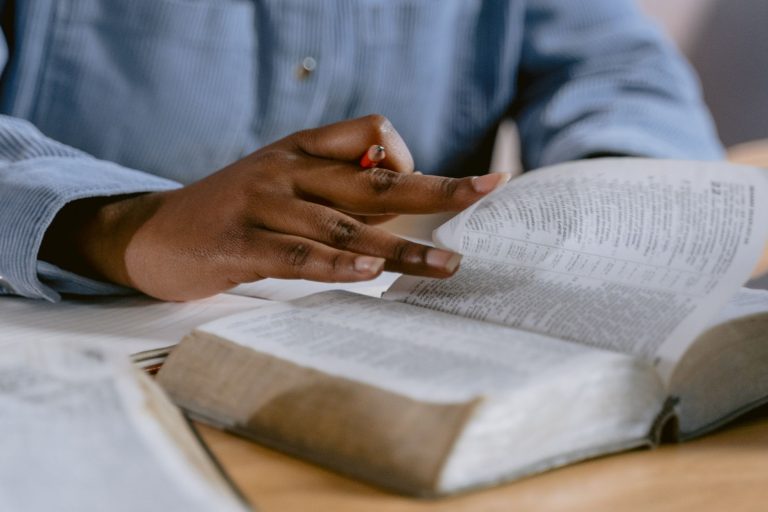
Writing by hand engages motor memory and deeper cognitive processing, leading to better retention than typing because it requires more deliberate focus on each letter and word.
Typing can become automatic, but writing forces you to slow down and pay attention to the shape and sequence of each word, which enhances memory encoding.
Studies in educational psychology consistently show that handwritten notes lead to better conceptual understanding and recall than typed notes.
What are the benefits of saying Bible verses aloud?
Saying verses aloud engages auditory memory and involves both the production and reception of speech, which reinforces learning through multiple sensory channels.
When you speak a verse, you hear it as well as say it, creating a feedback loop that strengthens the memory. This also helps with pronunciation and natural phrasing.
Additionally, speaking aloud can help you internalize the verse’s meaning and emotion, making it more than just a string of words.
How can I use memory aids and creative methods to memorize Scripture?
Memory aids like acronyms, music, and visualization transform abstract verses into memorable patterns, making recall easier and more enjoyable.
These methods work by giving your brain a hook or structure to hang the verse on, reducing the cognitive load of memorizing raw text.
They also engage creativity and enjoyment, which increases motivation and consistency in practice.
How do acronyms or acrostics work for memorizing Bible verses?
Acronyms use the first letter of each word in a verse to create a memorable word or phrase, providing a mental shortcut for recalling the full text.
For example, for Philippians 4:13 (“I can do all things through Christ who strengthens me”), you might use “I.C.D.A.T.C.W.S.M.” or a phrase like “I Can Do All Things Through Christ’s Strengthening Might”.
This technique is particularly useful for verses with complex sentence structures or unfamiliar words.
Can setting verses to music really improve memorization?
Setting verses to music leverages the brain’s natural affinity for melody and rhythm, making the words easier to remember and recall through musical memory.
Music activates multiple areas of the brain, and the combination of melody, rhythm, and lyrics creates a stronger memory trace than words alone.
Many children’s ministry programs use this method successfully because it’s engaging and effective for all ages.
What are some effective visualization techniques for Bible verses?
Visualization involves creating a mental image that represents the verse’s meaning or key words, linking the abstract text to a concrete picture in your mind.
For example, for Psalm 23:1 (“The Lord is my shepherd”), you might visualize Jesus as a shepherd caring for sheep in a peaceful pasture.
The more vivid and unusual the image, the stronger the memory connection will be.
How does understanding and context affect Bible verse memorization?
Understanding the meaning and context of a verse makes it significantly easier to memorize because your brain retains meaningful information far better than rote strings of words.
When you comprehend what a verse is saying, you’re not just memorizing sounds; you’re learning a concept that connects to your existing knowledge and experiences.
This deep processing leads to stronger, more durable memories that are easier to recall accurately.
Why is it easier to memorize a verse when you know its meaning?
Knowing the meaning allows your brain to store the verse as a concept rather than random syllables, leveraging semantic memory which is vastly more efficient for retention than rote memorization.
Semantic memory networks information by meaning, so when you understand a verse, it hooks into your existing knowledge base about God, faith