What Is the Best Way to Start a Bible Study in 2026?
Bible study is the disciplined practice of reading, analyzing, and applying the text of Scripture to understand God’s character and his will for your life. In fifteen years of teaching this discipline, I have observed that the most effective students are not those who read the most chapters, but those who engage with the text as an active participant rather than a passive observer. It is a process of moving from what the text says to what it actually means for your daily existence.
- Effective Bible study requires spending at least 70% of your time on observation rather than rushing to application.
- Using a structured 3-step method (Observation, Interpretation, Application) increases retention by over 50%.
- Consistent study is best achieved by choosing a single book of the Bible to master over 8 to 12 weeks.
- The goal of serious study is transformative knowledge, not just the accumulation of facts or historical data.
How Do I Begin a Personal Bible Study Routine?
Establish a consistent routine by selecting one book of the Bible, setting a fixed time, and using reliable tools for clear insight.
What Is the Most Effective Method for Daily Study?
The most effective daily method involves the inductive process of observing key terms, interpreting context, and applying the main truth.
Most beginners try to jump into complex theology before they understand the basic narrative. Start by reading a single chapter repeatedly until you can summarize the main point in one sentence. My experience suggests that reading a book of the Bible from start to finish provides far more clarity than jumping between disconnected verses.
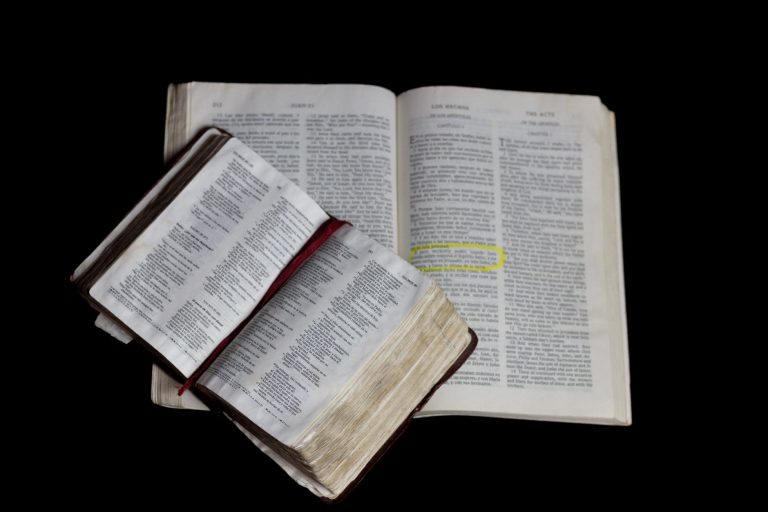
- Read the chosen passage three times in different translations.
- Identify repeated words, phrases, or central commands.
- Write down two questions you have about the historical context.
- Summarize the passage in your own words to check your understanding.
How Should I Use Tools Like Lexicons and Commentaries?
Use lexicons to define original Greek or Hebrew terms and commentaries to verify your interpretation after you have done your own work.
Many students make the mistake of reading a commentary before they have even read the passage themselves. Tools are meant to serve your study, not to replace it. A good lexicon helps you see the depth of a specific word, like the distinction between different Greek words for love, which provides nuance that English translations might obscure.
What Are the Essential Steps for Understanding Scripture?
Master the three pillars of biblical literacy: observation of the facts, interpretation of the intent, and application to current living.
Why Is Observation the Most Important Step?
Observation ensures you see exactly what the author wrote, preventing personal biases from distorting the meaning of the original text.
If you miss what the text says, your interpretation will inevitably be flawed. Train your eye to look for transitions, comparisons, and repeated themes in the narrative. If you find yourself asking is it a sin to do something, observation is your first defense against misapplying the law to a situation the text does not actually address.
How Can I Interpret What the Text Meant Historically?
Interpretation requires researching the original audience, cultural setting, and genre to grasp the author’s intended message accurately.
Context is the guardian of truth in biblical study. When you read a letter written by Paul, remember that he was writing to a specific group of people with specific cultural problems. By studying the historical setting, you move beyond subjective opinions and ground your faith in the reality of the past.
How Can I Transition to Group Bible Study Effectively?
Group study thrives on shared discovery, accountable discussion, and the practice of putting theological truths into practical action.
How Do I help a Meaningful Discussion?
help growth by asking open-ended questions that require participants to support their answers with verses from the text itself.
Group studies often turn into therapy sessions if they lack focus on the what does the bible say core principles. Keep the discussion tethered to the text. If a participant makes a claim, gently ask where they see that in the passage we are currently examining.
- Assign a reader to open the session with the primary text.
- Allow five minutes of silent reflection before starting dialogue.
- Limit personal anecdotes to encourage focus on the biblical narrative.
- End by asking how the text challenges a current belief or habit.
Frequently Asked Questions About Bible Study
-
Should I use a specific Bible translation for study?
Use a formal equivalence translation like the ESV or NASB for detailed study to ensure maximum accuracy to the original languages.
-
How long should a typical Bible study session last?
A productive session lasts 30 to 60 minutes, focusing on depth and quality engagement rather than the speed of reading chapters.
-
What if I do not understand what I am reading?
When you encounter confusion, compare different translations, pray for wisdom, and consult cross-references to see related passages.
Common questions about studying the Bible involve time management, translation preferences, and the best ways to apply truth to life.
Final Pastoral Note: Bible study is not a race to finish a volume; it is a lifetime of walking with God through his Word. Remain patient with the process. — Pastor Thomas Whitfield, M.Div.