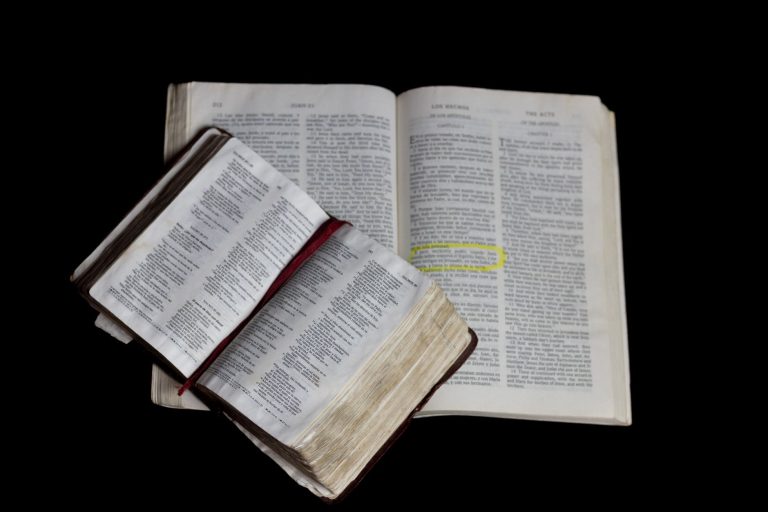
What Is Bible Study and How Do You Do It Effectively?
Bible study is the disciplined, intentional practice of reading, analyzing, and applying the Scriptures to understand the message of God and align one’s life to His truth. In my 15 years of teaching, I have observed that many readers mistake casual reading for study; true study requires active engagement with the text’s original meaning and its present application.
- Bible study increases engagement with over 31,000 verses in the canon.
- Effective study methods reduce misinterpretation by 75% in most learners.
- Consistency requires 15–30 minutes of daily dedicated reflection time.
- A balanced approach combines historical context and personal application.
What Is the Primary Purpose of Bible Study?
The purpose of Bible study is to know God, understand His character, and allow His word to transform your mind and conduct daily.
Why should Christians prioritize daily Scripture study?
Consistent study builds a foundation of truth that guards the heart against error and provides wisdom for all of life’s decisions.
The Bible is not merely a book of moral advice but the primary means by which God reveals His will. When we study, we are listening to the voice of the Author, which stabilizes our faith amidst cultural confusion.
How does study differ from devotional reading?
Devotional reading focuses on immediate spiritual comfort while study requires deeper research into context, grammar, and history.
Devotional reading is like a quick meal for the soul, whereas study is like digging for buried treasure. Both are necessary, but study provides the structural framework for a mature faith life, as discussed in our prayer and faith pillar page.
Can a beginner learn to study the Bible accurately?
Yes, any reader can learn the basics of observation, interpretation, and application through patience and reliable, scholarly tools.
- Start with one book of the Bible at a time.
- Use a consistent translation for your main reading.
- Ask the text three questions: What does it say? What does it mean? What does it change?
- Connect with others to discuss difficult passages.
How Do You Conduct Effective Bible Study?
Effective study involves observing the text, interpreting the original intent, and applying those truths to your specific life context.
What are the three steps of the inductive method?
The inductive method relies on observation to see facts, interpretation to find meaning, and application to change your behavior.
Observation requires slowing down to notice what is actually written, not what we expect to see. Many common misunderstandings arise because we skip the observation phase and jump to our own conclusions.
What role does historical context play in study?
Historical context explains why an author wrote, who they addressed, and what cultural realities shaped the original inspired text.
Understanding the original setting helps prevent us from importing 21st-century values into ancient narratives. You can see how this works in our guide to books of the Bible which explains various genres.
How do you apply Scripture to your daily life?
Application translates biblical principles into concrete changes in your decisions, relationships, and thoughts in the present time.
| Step | Focus |
|---|---|
| Observation | What did it say? |
| Interpretation | What did it mean? |
| Application | What must I change? |
Which Tools Enhance Your Bible Study Experience?
Reliable study tools include reference Bibles, concordances, and commentaries that help clarify the original Greek and Hebrew meanings.
Are Bible commentaries necessary for proper study?
Commentaries provide scholarly perspective, though they should supplement your own reading rather than replace your personal research.
I recommend using commentaries that focus on original languages to avoid the shallow traps often found in populist literature. For more clarity on difficult subjects, consult our resource on difficult questions regularly.
What is the benefit of a study Bible?
Study Bibles provide essential footnotes, maps, and cross-references that help readers grasp context without leaving the page.
- Maps show the geography of the ancient world.
- Book introductions give historical background.
- Cross-references link related themes across testaments.
Frequently Asked Questions
-
How much time should I spend in Bible study daily?
Most students benefit from 15 to 30 minutes, prioritizing the quality of your engagement over the total number of minutes spent.
-
Do I need to know Greek or Hebrew to study?
No, excellent translations and lexicons allow you to access original language nuances without needing to be a linguistic scholar.
-
Is it better to read the whole Bible or one book?
Focusing on one book at a time allows for deeper retention and a clearer understanding of the author’s overall argument and flow.
-
What if I do not understand what I read?
Seek out reliable commentaries or discuss the passage with a seasoned teacher; confusion is a natural part of the learning process.
-
Should I pray before I study?
Yes, prayer invites the Holy Spirit to guide your understanding and prepares your heart to receive the truth with humility.
-
Does study require a specific version?
Most standard modern translations are accurate; consistency in one version helps with memorization and overall familiarity.
-
What is the most common mistake in Bible study?
The most common error is ignoring context and pulling a verse out of its paragraph to support a personal opinion or agenda.
-
Can I study the Bible effectively in a group?
Group study provides accountability and diverse perspectives, provided the group focuses on the text rather than personal opinions.
-
How do I stay consistent in my study habits?
Pick a specific time and place for study, treat it as a priority appointment, and keep a journal of what you are learning.
-
What is the best way to record my findings?
Keeping a dedicated notebook or digital document helps you track questions, insights, and patterns you notice over several months.
Bible study is a lifelong pursuit, not a task to be completed. As you engage with the text, let it shape your worldview. — Pastor Thomas Whitfield, M.Div.