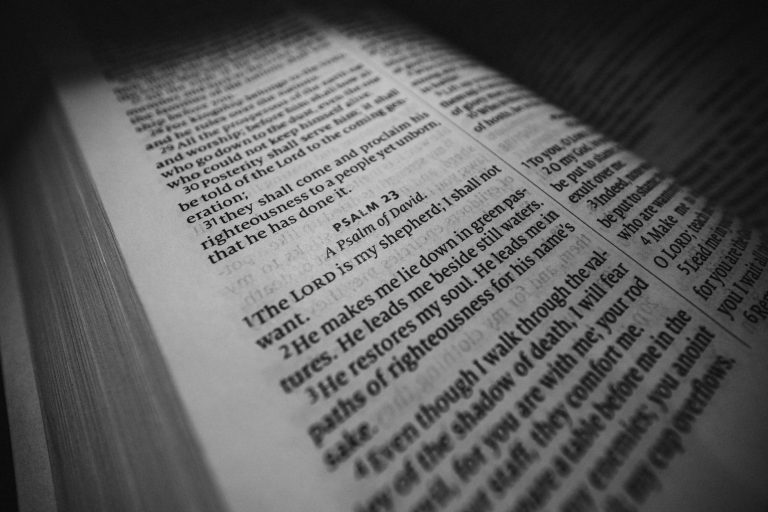
What Is the ‘Got Questions’ Model of Biblical Teaching?
What Is the ‘Got Questions’ Model?
The Got Questions model is a method of biblical instruction that centers on addressing specific, user-asked questions with direct, verse-backed answers.
In fifteen years of teaching, I have observed that most students do not start with a systematic theology text; they start with a burning question. This model treats the Bible as the final authority, moving from the specific inquiry to the relevant scriptural context. It avoids academic abstraction in favor of pastoral clarity, ensuring that the student leaves with a biblical foundation for their immediate concern.
This approach has become the gold standard for what does the Bible say queries because it respects the reader’s time and intelligence. It does not hide behind jargon, nor does it avoid difficult, potentially controversial topics.
Why Is the Question-First Approach Effective?
This method is effective because it honors the reader’s immediate need while systematically anchoring their curiosity in divine revelation.
By starting with the exact question a person is asking, you bridge the gap between their daily experience and the ancient text. In my ministry, I have seen that people learn best when they are already looking for an answer. This method ensures that the theological ‘why’ never precedes the practical ‘what.’
- It provides immediate relevance to the reader’s life.
- It keeps the study focused on scripture rather than personality.
- It empowers believers to find answers for themselves.
- It demystifies complex theological or moral dilemmas.
How Does This Model Maintain Scriptural Integrity?
The model maintains integrity by prioritizing primary biblical evidence over secondary human opinion or modern denominational tradition.
Many respected Bible scholars note that the danger of a question-answer format is the temptation to proof-text. To avoid this, a rigorous application of this model must always interpret the verse in its original historical and grammatical context. When a question arises, we look at the whole counsel of God rather than picking the most convenient verse.
What Are the Core Pillars of This Teaching Style?
The core pillars include absolute submission to scripture, clarity of communication, and a deep commitment to objective biblical truth.
Why Is Directness the Primary Goal?
Directness ensures that the reader receives a clear, actionable response without being lost in unnecessary intellectual or academic filler.
Many readers come to is it a sin questions feeling anxious or confused. They need a pastoral, straightforward answer that distinguishes between sin, wisdom, and personal conviction. Clarity is a form of kindness.
How Does the Model Approach Conflicting Interpretations?
It approaches disagreements by stating the evidence for multiple valid readings while maintaining a humble stance on non-essential doctrines.
Honesty is essential. When scholars differ on a passage, the reader deserves to know why. A quality response explains these differences without descending into sectarian combat, remaining helpful to the student regardless of their own tradition.
How Does It Support Ongoing Discipleship?
It supports discipleship by providing a reliable, accessible framework that encourages believers to deepen their own study of the word.
By using the model as a starting point, believers can build a library of understanding. It serves as a gateway to more intense study in books of the Bible, encouraging a life-long pursuit of wisdom that goes far beyond a single answered question.
Frequently Asked Questions About This Model
-
Is the model suitable for beginners?
Yes, it is ideal for beginners because it addresses their specific questions rather than requiring them to read cover-to-cover immediately.
-
Does it replace formal seminary training?
No, it is a tool for everyday study and cannot replace the deep, complete academic grounding provided by formal theological education.
-
Can I use this for non-theological questions?
The model is specifically designed for biblical and theological inquiries, as its primary authority rests on the witness of the scriptures.
-
How do I know the answers are accurate?
Accuracy is tested by checking if the cited scriptures are used in their correct historical, grammatical, and canonical context.
-
Is this model biased toward one denomination?
While all teachers have a background, a faithful application of the model focuses on common evangelical consensus over denominational dogma.
-
Where can I find more resources?
You can find deep dives into various topics through reliable Bible study hubs and established seminary resources that prioritize original text.
-
Does this model discourage critical thinking?
It encourages critical thinking by teaching the reader how to interpret scripture responsibly rather than accepting blind assertions.
-
Can this method be used in group settings?
It is highly effective in small groups, as it allows members to bring their own questions and examine the evidence together as a community.
-
Is it acceptable to disagree with the answer?
Yes, as long as the disagreement is rooted in a serious, informed engagement with the text rather than personal preference or feeling.
-
What if I cannot find my question listed?
If a question is missing, look for the underlying principles of the topic in scripture to develop your own informed, biblical response.
— Pastor Thomas Whitfield, M.Div.